Source Pneumatic Fixed Spot Welding Machine for Electronics, Auto, Metal
Explore 30 pneumatic fixed spot welding machine options for electronics assembly, automotive parts, and metal fabrication. Compare semi-automatic and automatic models with water cooling, single-phase AC resistance, and inverter DC technology to find the right fit for your production needs.
Key considerations
Products List




Comprehensive Sourcing Guide
Pneumatic Fixed Spot Welding Machine Sourcing Guide
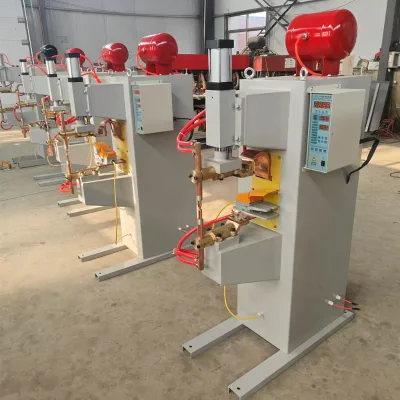
Buyers evaluating pneumatic fixed spot welding machines must first distinguish between semi-automatic and fully automatic control systems, as the supplied data indicates both configurations are available in the market. The vertical style and fixed frame design are common for applications requiring consistent electrode alignment, while the transmission method relies heavily on pneumatic systems to deliver the necessary compression force. Understanding whether a specific listing offers single-phase or three-phase power input is critical, as the observed voltage options range from 220V to 380V, directly impacting facility electrical infrastructure requirements.
Procurement decisions should also account for the specific welding capacity and material thickness limits observed in current listings, which typically support up to 6.0mm per sheet in a double-sided conductive setup. The maximum compression force of 12,000N and electrode stroke of 100mm suggest these units are engineered for robust industrial applications rather than light-duty tasks. Buyers must verify if the cooling system utilizes water cooling with a consumption rate around 12L/Min, ensuring their plant has adequate water supply and drainage to maintain continuous operation without overheating the transformer or electrodes.
Product Scope and Observed Listing Signals
The product scope for these machines encompasses a variety of models, including the DN-25, MD-20, and the broader DN Series, each tailored to different production volumes and precision needs. Listings frequently highlight customization options for color and specific power requirements, allowing buyers to align the machine's aesthetics and electrical input with their existing factory standards. The observed price range of 500 to 16,100 USD reflects significant variation based on the maximum welding input capacity, which can reach up to 450kVA for heavy-duty units, necessitating a careful review of the specific model's rated capacity before committing to a purchase.
Market signals indicate that while many units originate from China, specifically Guangzhou, some listings also reference origins in the USA, suggesting a mix of domestic and international manufacturing sources. The minimum order quantity is generally flexible, ranging from 1 to 5 units, which facilitates procurement for small-scale operations or pilot projects. Buyers should note that packaging varies from simple wooden boxes to more robust wooden cases with metal frames or angle iron structures, a factor that influences shipping costs and the risk of damage during transit to the final destination.
Technical Specifications to Verify
When verifying technical specifications, the primary focus must be on the welding current type and frequency, as the data shows a mix of alternating current, line frequency, and inverter-based systems operating between 1-5kHz. The maximum output current can reach 8,000A, a critical parameter for ensuring the machine can penetrate the intended material thickness without excessive heat buildup or electrode wear. Buyers must confirm whether the machine supports single, double, or multiple welding spots, as this determines the throughput efficiency and suitability for high-volume assembly lines versus low-volume prototyping.
Electrode stroke and compression force are equally vital, with observed strokes of 100mm and compression forces up to 12,000N providing the mechanical leverage needed for consistent weld quality. The conductive way, whether one-sided or both-sided, dictates the accessibility of the workpiece and the complexity of the fixturing required. Additionally, the power output is often adjustable, allowing operators to fine-tune the energy delivery for different material combinations, but the exact adjustment range should be confirmed against the specific model's datasheet to ensure it meets the process window requirements.
Compliance and Safety Documentation
Compliance verification requires checking for recognized safety standards such as CCC, ISO, UL, and CE, which are explicitly mentioned in several product listings. These certifications are essential for ensuring the machine meets electrical safety and operational standards in various global markets, particularly for equipment intended for use in regulated industries. Buyers should request valid certification documents for the specific serial number or batch being purchased, as the presence of a standard on a general listing does not guarantee that every individual unit has undergone the necessary third-party testing.
Safety documentation must also include detailed operational manuals that cover the pneumatic transmission system and water cooling requirements, which are integral to the machine's safe operation. The cooling water consumption of 12L/Min implies a need for proper filtration and temperature control to prevent scaling or corrosion within the cooling channels. Procurement teams should ensure that the supplier provides clear instructions on emergency stop procedures and maintenance schedules, as the high compression forces and electrical inputs pose inherent risks if the machine is not operated according to the manufacturer's safety guidelines.
Cost Drivers and Commercial Terms
Cost drivers for pneumatic fixed spot welding machines are heavily influenced by the maximum welding input capacity and the complexity of the control system, with prices ranging from 500 to 16,100 USD. Higher capacity units, such as those with 450kVA inputs, command a premium due to the larger transformers and more robust cooling systems required. The customization options, including specific voltage requirements and color finishes, also add to the base cost, as they often involve non-standard manufacturing processes or additional material sourcing.
Commercial terms should clearly define the minimum order quantity, which typically ranges from 1 to 5 units, and the packaging specifications, which can vary from wooden boxes to heavy-duty metal-framed cases. Buyers must clarify who bears the cost of freight and insurance, especially since the product origin may be listed as China or the USA, affecting shipping logistics and import duties. It is also prudent to negotiate lead times and warranty terms, as the production of specialized welding equipment can vary significantly depending on the supplier's current workload and the level of customization requested.
Supplier Qualification and Quality Control
Supplier qualification should prioritize manufacturers with a proven track record in producing resistance welding equipment, as evidenced by their adherence to standards like ISO and CCC. Buyers should verify the supplier's production capacity and quality control processes, ensuring they have the infrastructure to handle the specific model requirements, such as the DN Series or MD-20. The presence of a "Customized" standard in some listings suggests flexibility, but it also requires rigorous oversight to ensure that custom modifications do not compromise the machine's structural integrity or electrical safety.
Quality control checks must include a review of the electrode stroke and compression force consistency, as these mechanical parameters are critical for weld repeatability. Suppliers should provide test reports or factory acceptance test results that demonstrate the machine's ability to deliver the specified 8,000A output current and maintain the 12,000N compression force under load. Additionally, buyers should inspect the packaging quality, as the use of wooden cases with metal frames or angle iron structures is intended to protect the machine during transit, and any damage to the packaging could indicate mishandling during the shipping process.
Long-Term Procurement Checks
Long-term procurement checks should focus on the availability of spare parts and the supplier's ability to provide technical support over the lifespan of the machine. Given the high compression forces and frequent electrode changes, wear parts such as electrodes and cooling system components must be readily available to minimize downtime. Buyers should establish a relationship with the supplier to ensure a steady supply of these consumables, as the specific dimensions and materials required may vary between different models like the DN-25 and MD-20.
Maintenance protocols must be reviewed regularly to ensure the water cooling system remains free of debris and the pneumatic transmission system operates without leaks. The adjustable power feature allows for process optimization, but it requires periodic calibration to maintain accuracy over time. Buyers should also monitor the machine's performance against the observed specifications, such as the 1-5kHz frequency range and 12L/Min water consumption, to detect any deviations that might indicate underlying mechanical or electrical issues requiring immediate attention.
FAQs
How does a pneumatic fixed spot welding machine apply electrode force?
It uses a pneumatic transmission system to drive the electrode and apply welding pressure. The Maximun Compression reaches 12000N, giving stable force for consistent nugget formation. Electrode stroke is 100mm, which accommodates different workpiece thicknesses. Pneumatic actuation delivers faster, more repeatable cycles than manual foot-operated machines, making it suitable for repeatable production spot welding tasks.
What is the maximum material thickness these machines can weld?
The listed machines can weld up to 6.0mm plus 6.0mm material thickness. This means two sheets each up to 6mm can be joined in a single spot weld. Thicker combinations may require higher capacity equipment or different electrode configurations. Always verify the specific model's rating before planning production, since specifications vary across models in the DN series.
Which cooling method do these spot welding machines use?
They use water cooling to dissipate heat from the electrodes and transformer. Cooling water consumption is approximately 12L per minute during operation. You need a reliable circulating water supply or chiller installed before commissioning the machine. Adequate cooling extends electrode life and supports continuous duty cycles, so plan your water infrastructure alongside the equipment purchase.
Can the machines be customized to specific production requirements?
Yes, customization is available on the listed products. Color can be customized according to your requirement, and some listings explicitly state customization capability. Control options range from semi-automatic to automatic, and welding spot numbers include single, double, or multiple configurations. Contact the supplier with your workpiece drawings, thickness, and cycle requirements to confirm feasible customization scope.
What power supply do these single-phase AC resistance welders need?
The machines operate on 380V or 220V voltage, depending on the model. They are single-phase AC resistance welders using line frequency alternating current. Rated capacity ranges from 50kVA to 200kVA, with maximum welding input up to 450kVA on larger units. Confirm your facility's power supply capacity and wiring before installation to match the selected machine's electrical requirements.
How are the machines packed for shipping?
Packaging options include wooden boxes, wooden cases with metal frames, plywood cases, and angle iron frames with handmade wooden sheet boxes. Heavy models weigh around 300KG, and typical case dimensions are 80 by 120 by 180 centimeters. Metal-framed wooden cases provide better protection for long sea freight. Confirm the exact packing method with the supplier before shipment.
What is the electrode stroke and why does it matter?
The electrode stroke is 100mm on the listed machines. This measurement determines how far the electrodes open between welds, affecting the size of workpieces you can load and unload. A longer stroke accommodates taller assemblies and flanged parts but may slightly slow cycle times. Match the stroke to your part geometry to avoid manual repositioning during production runs.
Which certification standards apply to these welding machines?
Listed standards include CCC, ISO, UL, and CE, though some products list customized standards instead. Certification coverage varies by model and listing, so verify which certifications the specific machine holds before ordering. CE marking matters for European buyers, while UL applies to North American markets. Request certificate copies and confirm they match the exact model you intend to purchase.